
《大磯》
Ōiso

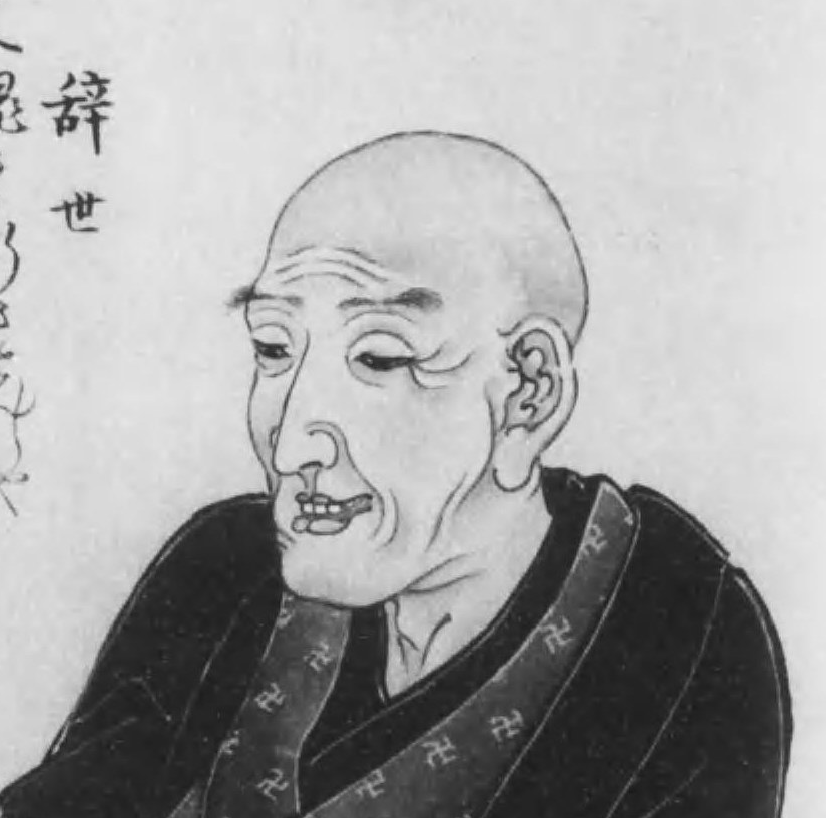
葛饰北斋是江户时代浮世绘的重要代表,以风景版画、花鸟画、人物画和绘本创作著称。他不断探索自然景观、日常生活与动态构图,其《富岳三十六景》系列对日本及欧洲近代艺术产生了深远影响。
Ōiso
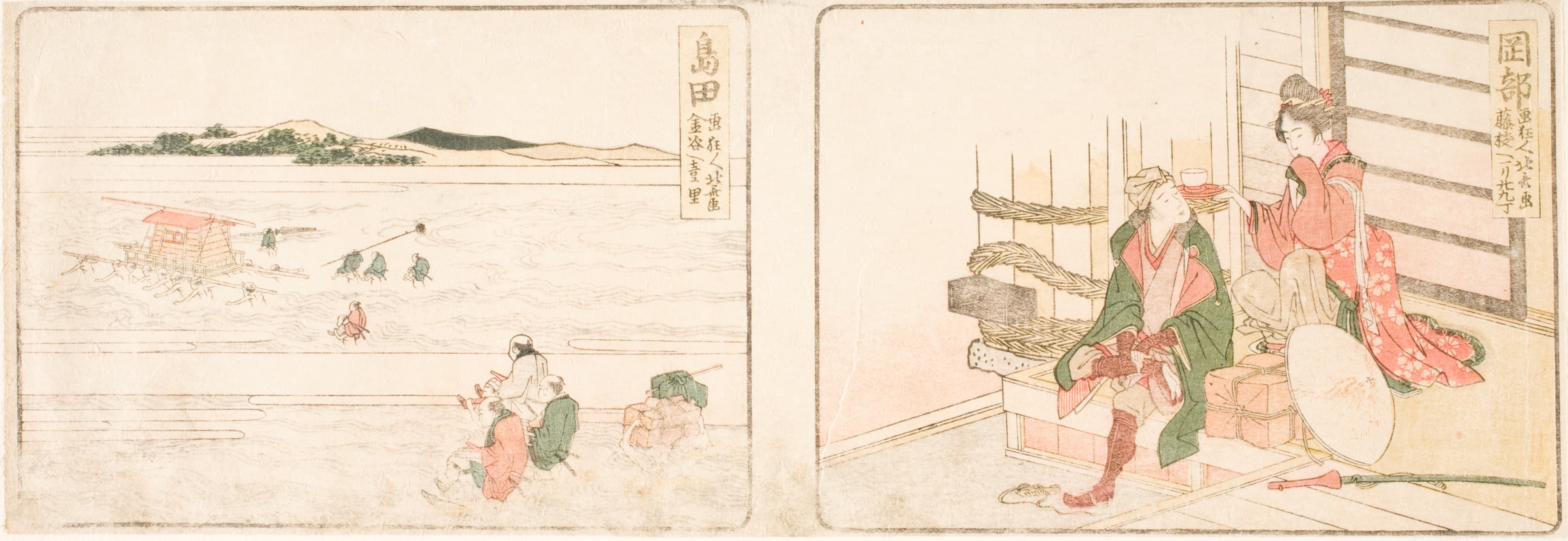
Okabe; Shimada
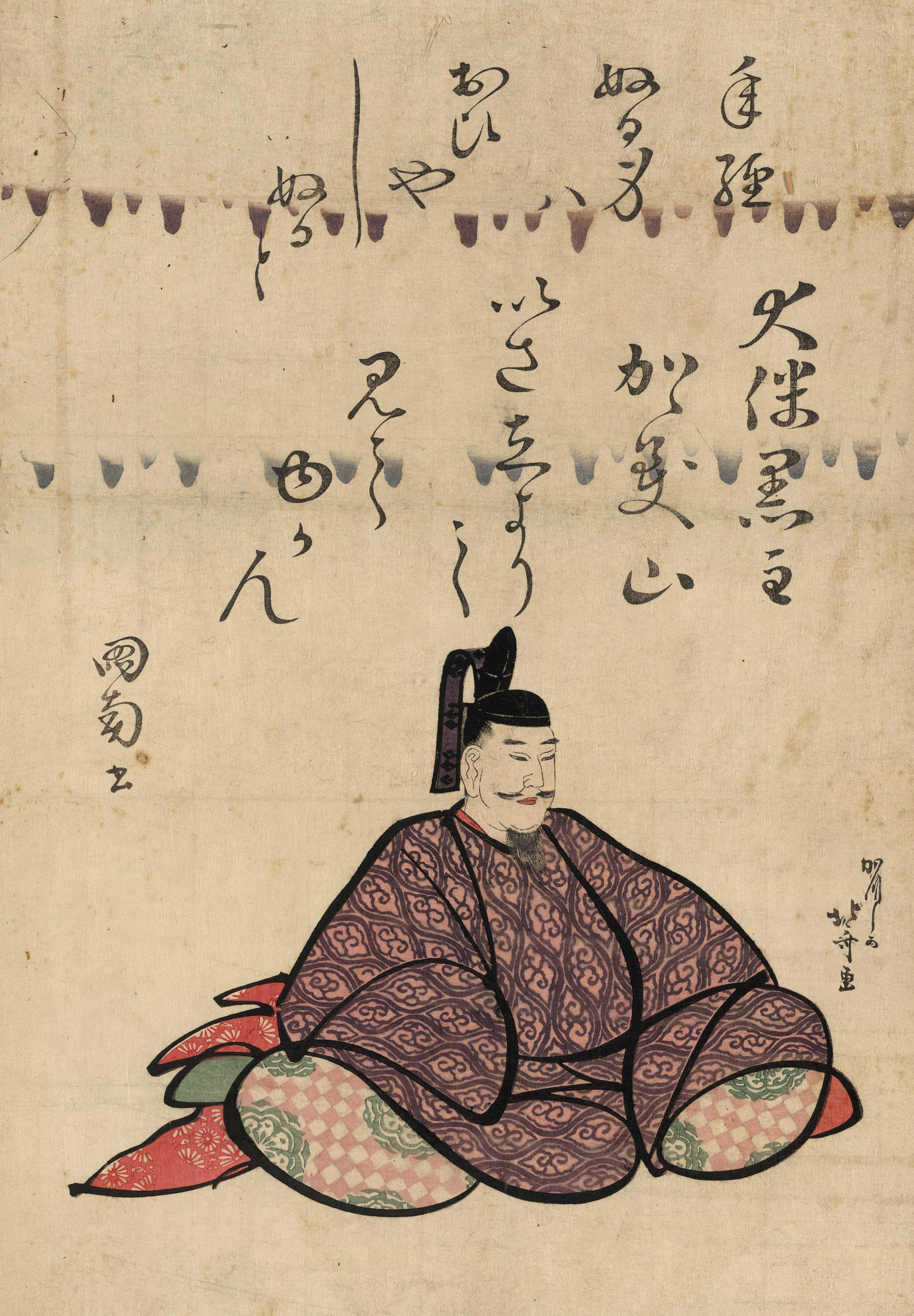
Ōtomo no kuronushi

Shimada

Shimada

Shirasuka
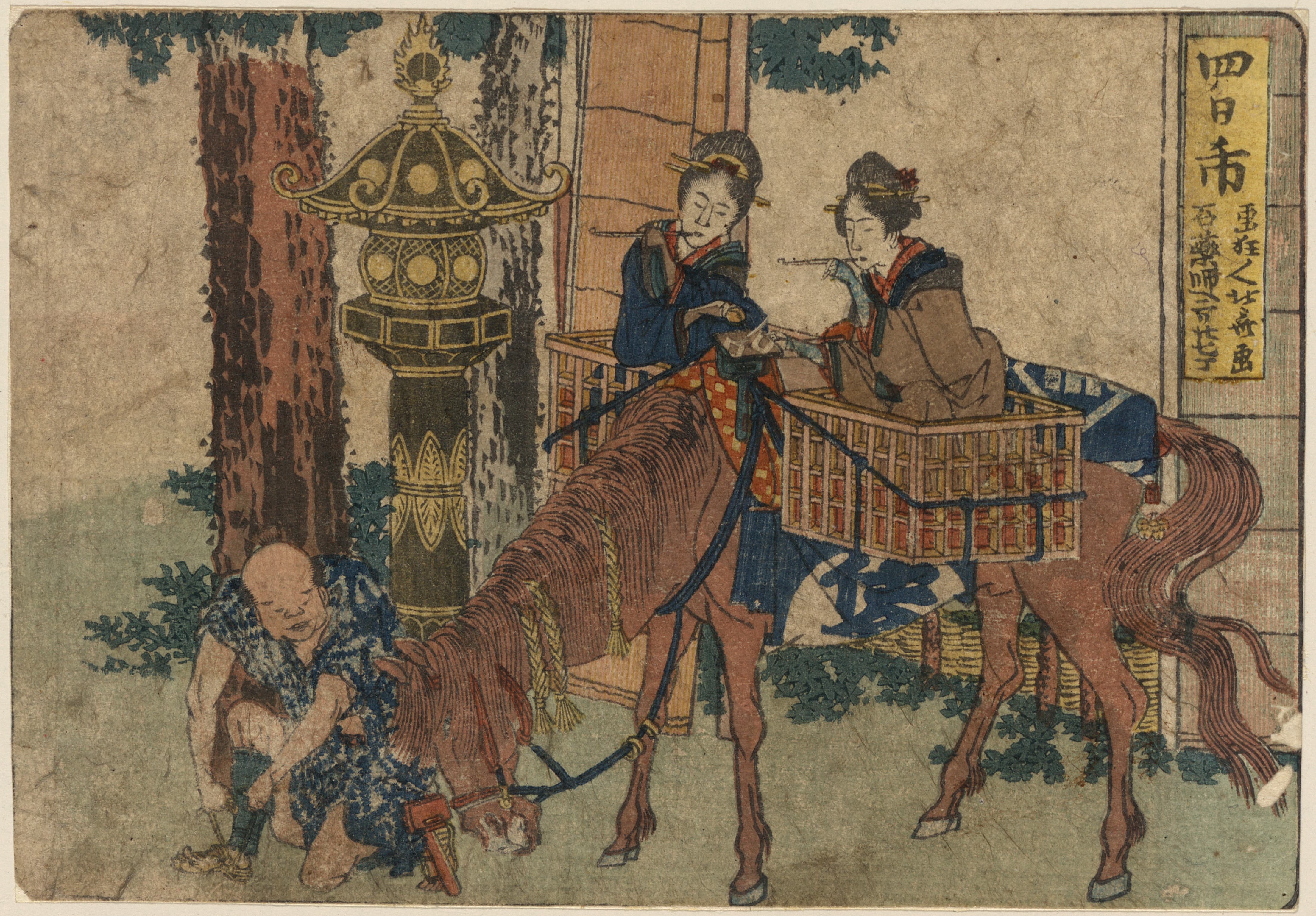
Yokkaichi

Yoshiwara
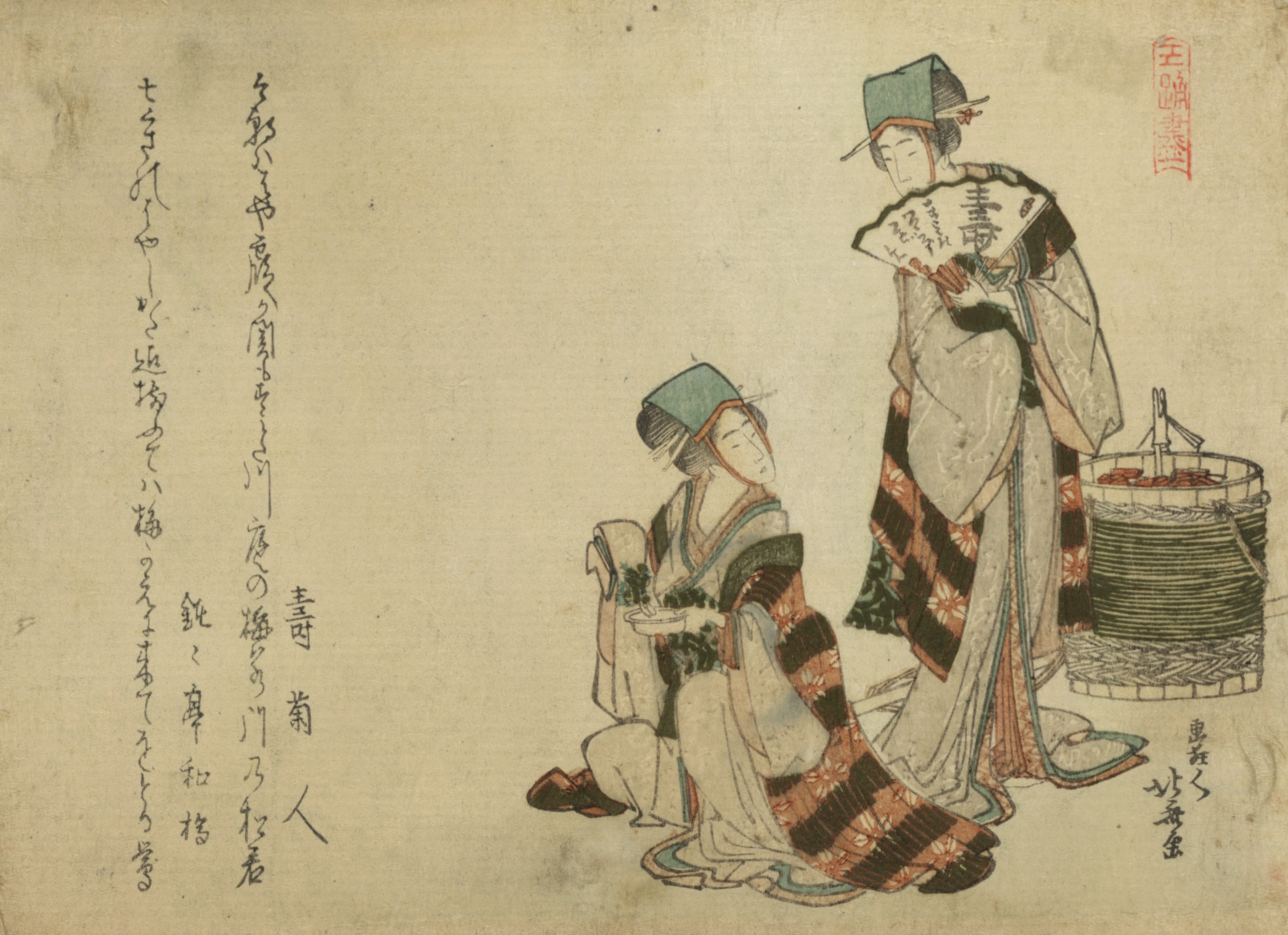
Yoshiwara suzume

Yui

Arivaro no Narihira in Journey to the East. A woman dressed as Narivara stops to admire Mount Fuji 1805-1810

Calligraphy 约 1805

Nariwaro no Narihira in Journey to the East. A woman in the image of Narivara stops to admire Mount Fuji 1805-1810 sheet 1

Nariwaro no Narihira in Journey to the East. A woman in the image of Narivara stops to admire Mount Fuji 1805-1810 sheet 2

Transformed Gyōja Bushō Amagawaya Gihei between 1801 and 1805

Act III from the Play Kanadehon Chūshingura, ‘A Kana Primer for the Treasury of Loyal Retainers’

Act VII

Act I (Shodan), Moronao offers love poems to Kaoyo at Hachiman Shrine in Kamakura 2

Act VIII (Hachidanme). Tonase and Konami on their way to Kyoto

Assault on the Moronao estate (Variant 1)

Assault on the Moronao estate (Variant 2)
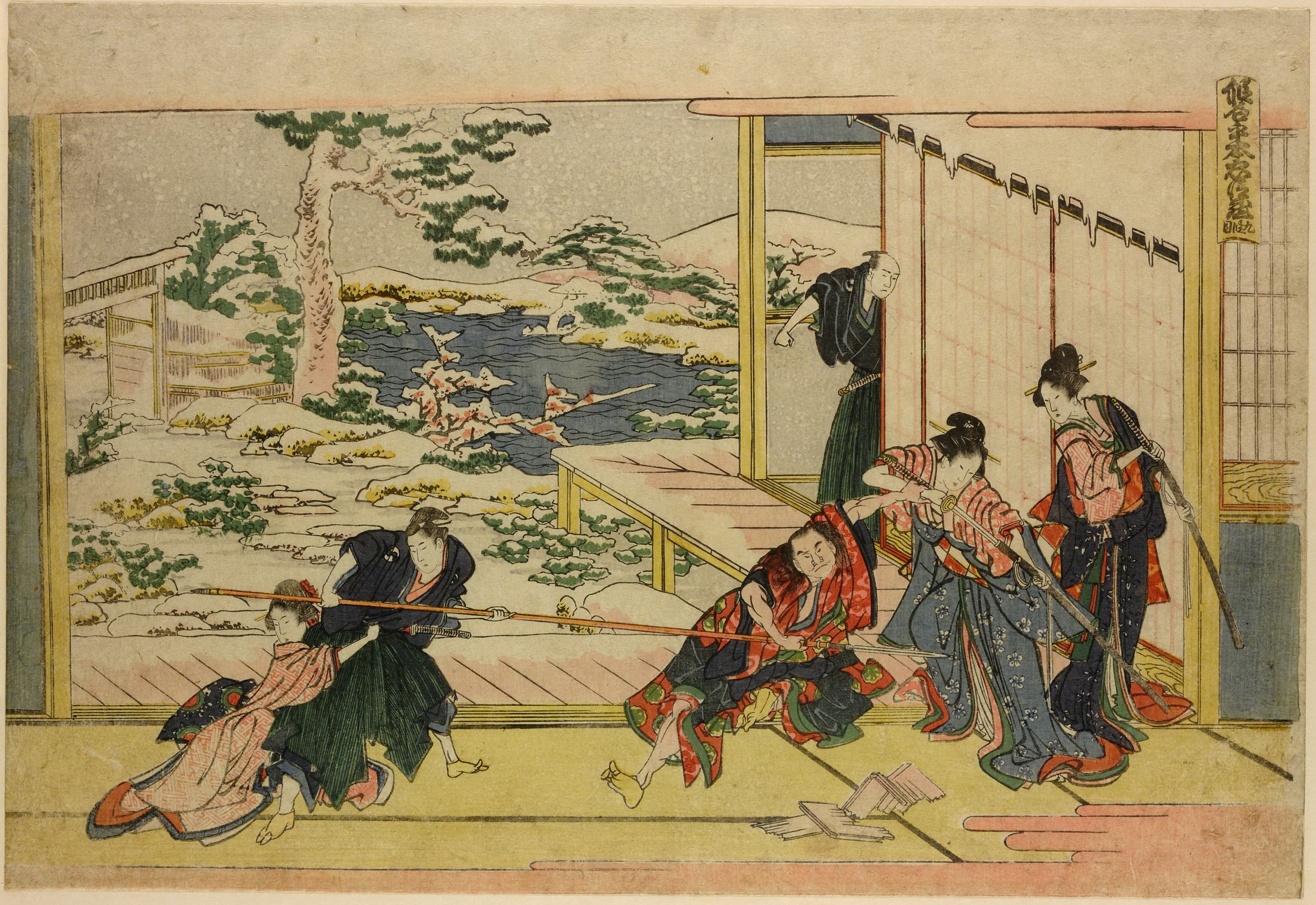
House of Oboshi Yuranosuke, Rikiya + Ishi thrusting at Kakogawa Honzo, restrained by Konami 1

Kakogawa Honzo at his house, lopping pine-branch, with Momoi Wakasanosuke, and Konami, Oboshi Rikiya
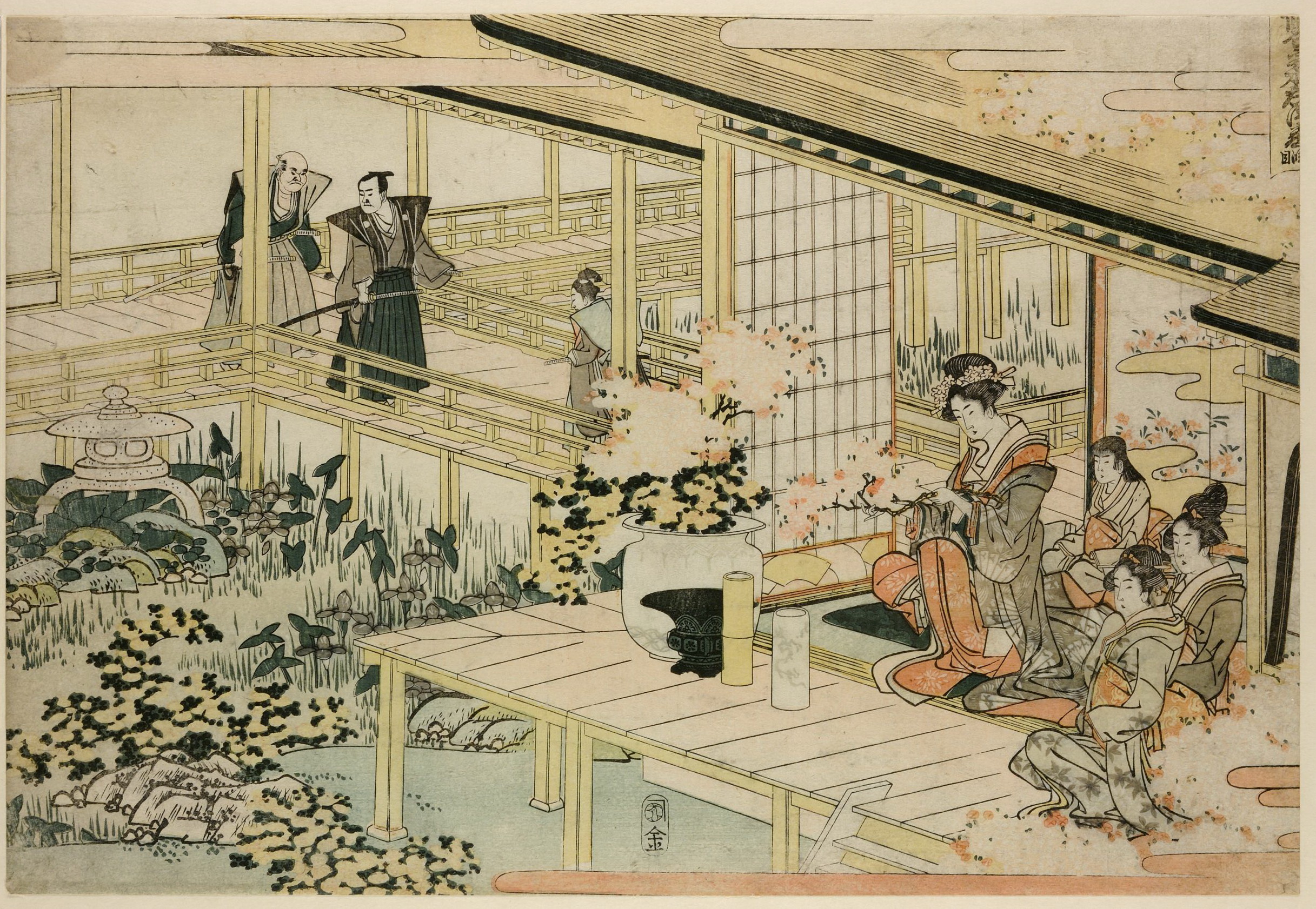
Kaoyo makes an ekibana from cherry blossoms (Variant 1)
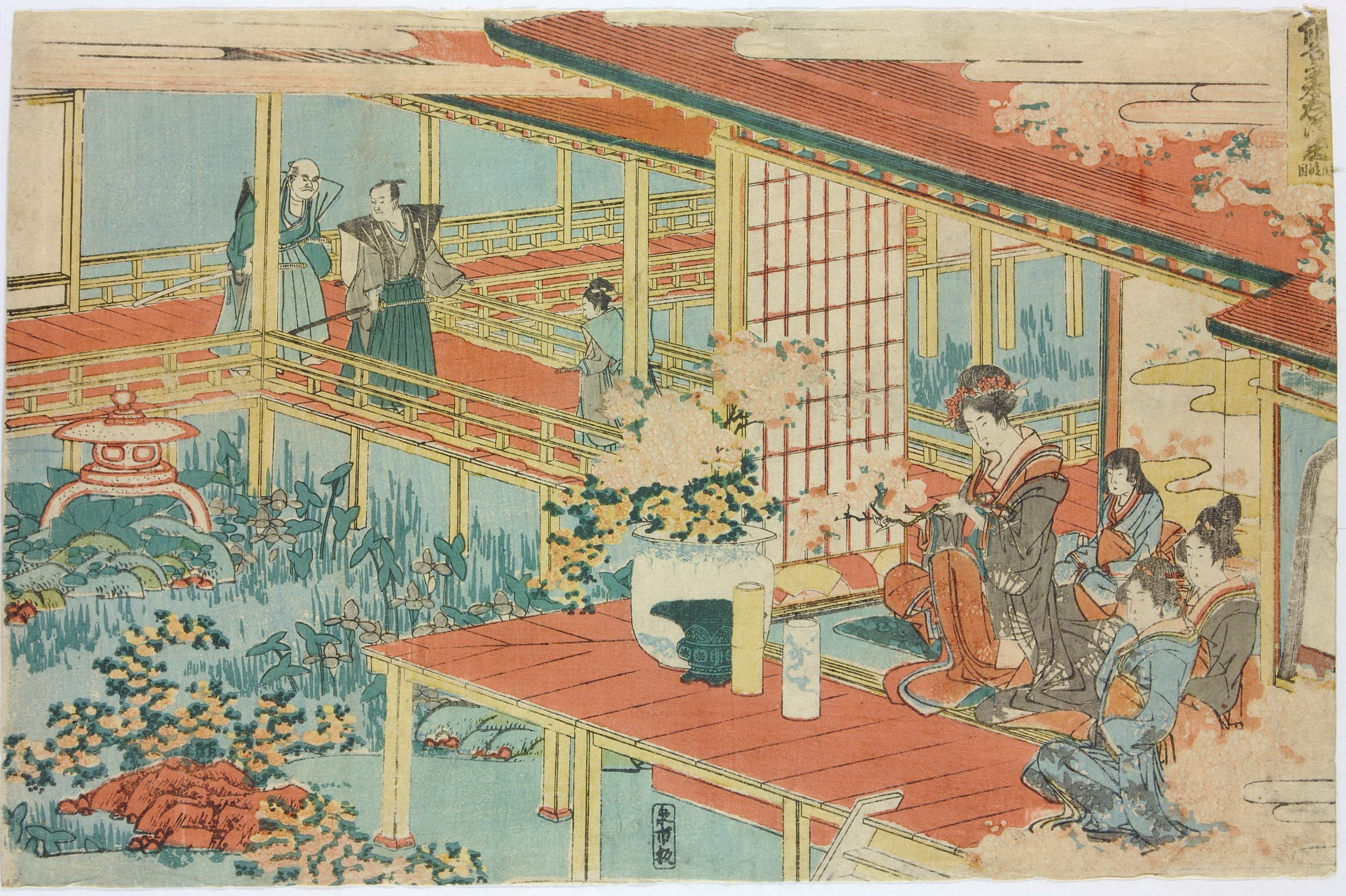
Kaoyo makes an ekibana from cherry blossoms (Variant 2)

Night scene on the veranda + ronin cutting off his wife's hair
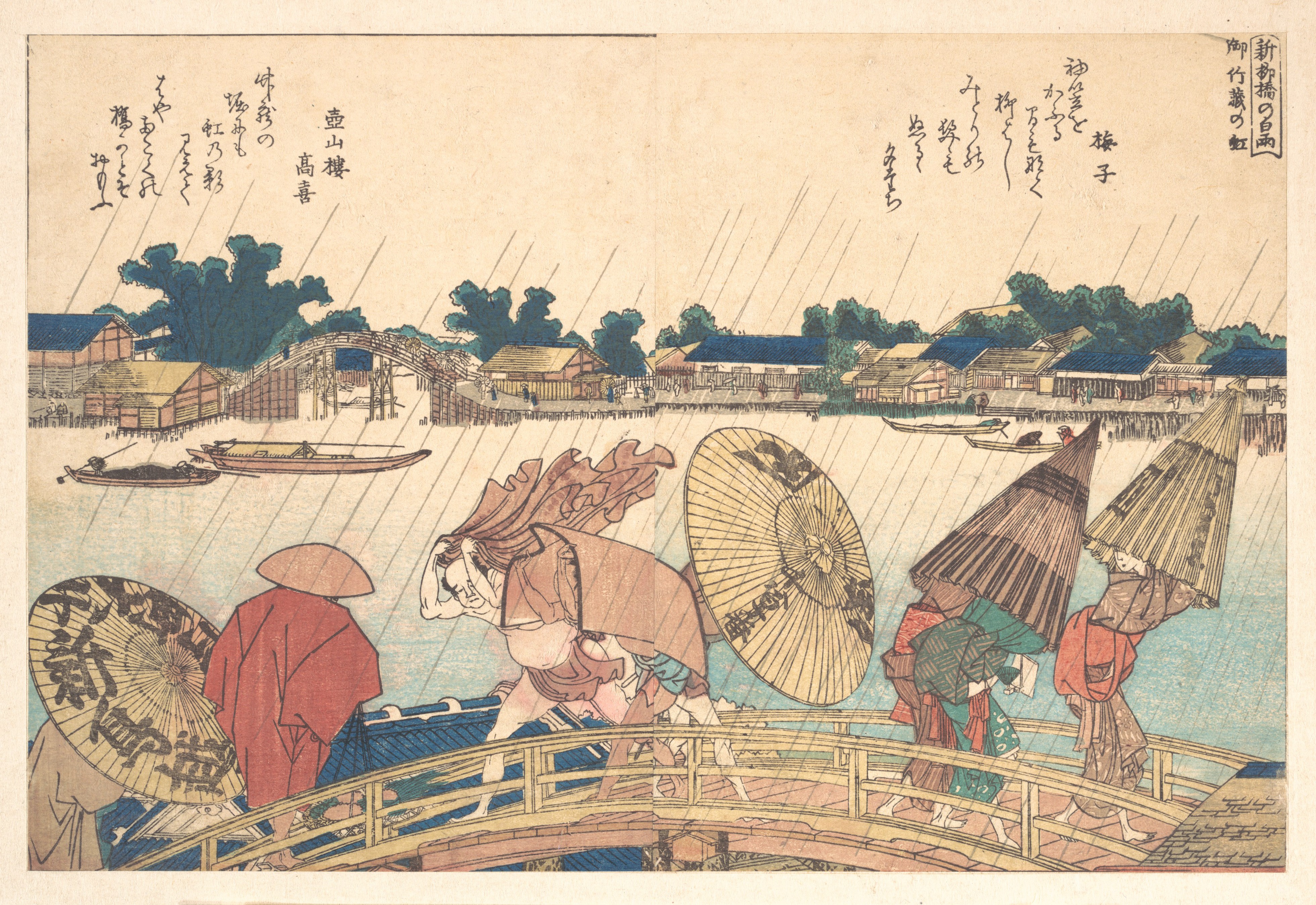
Rainfall on Yanagi Bridge 1806
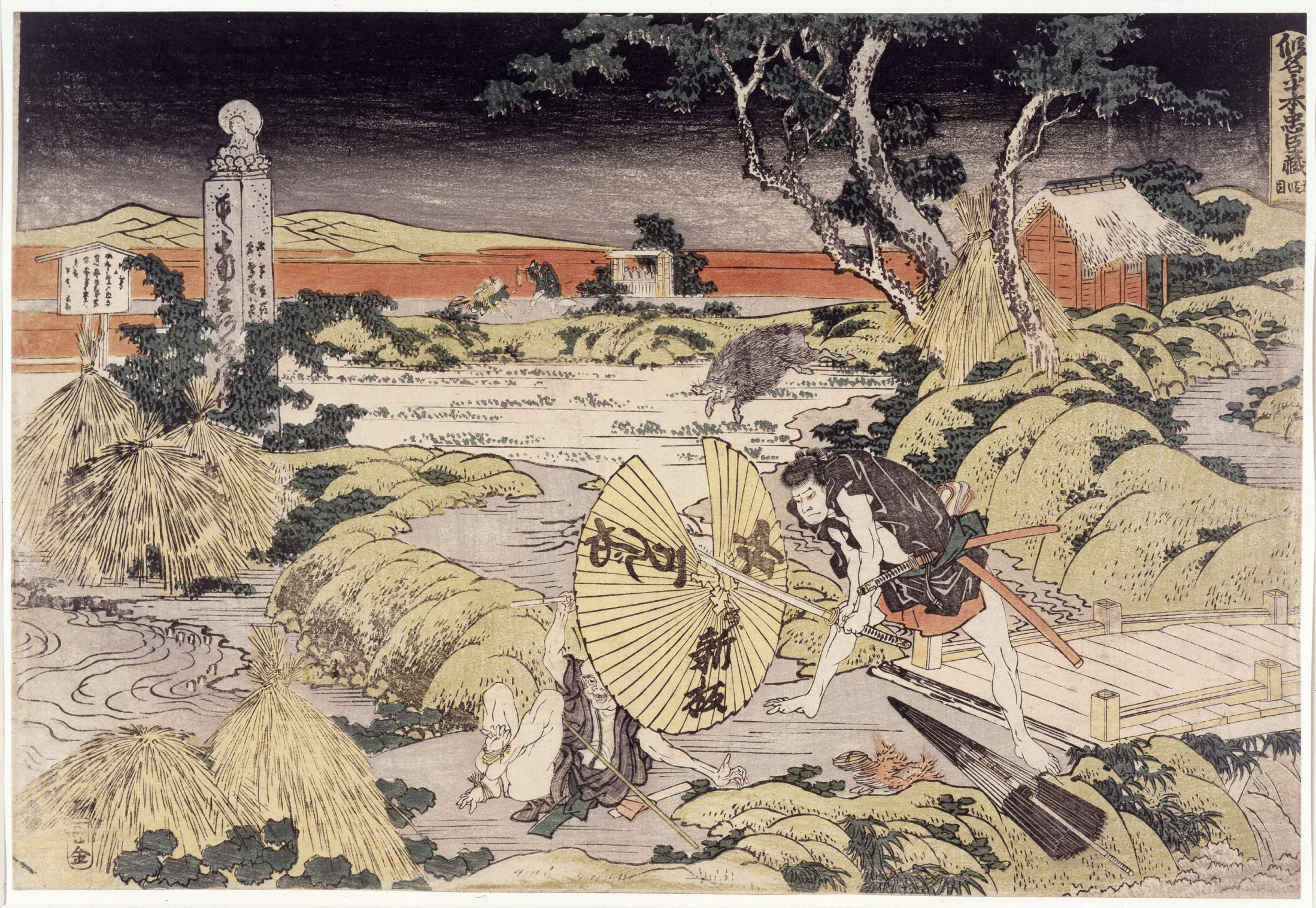
The villain Sadakuro attacks the peasant Yoichibei

Yochibei House with Kampei Committing Suicide
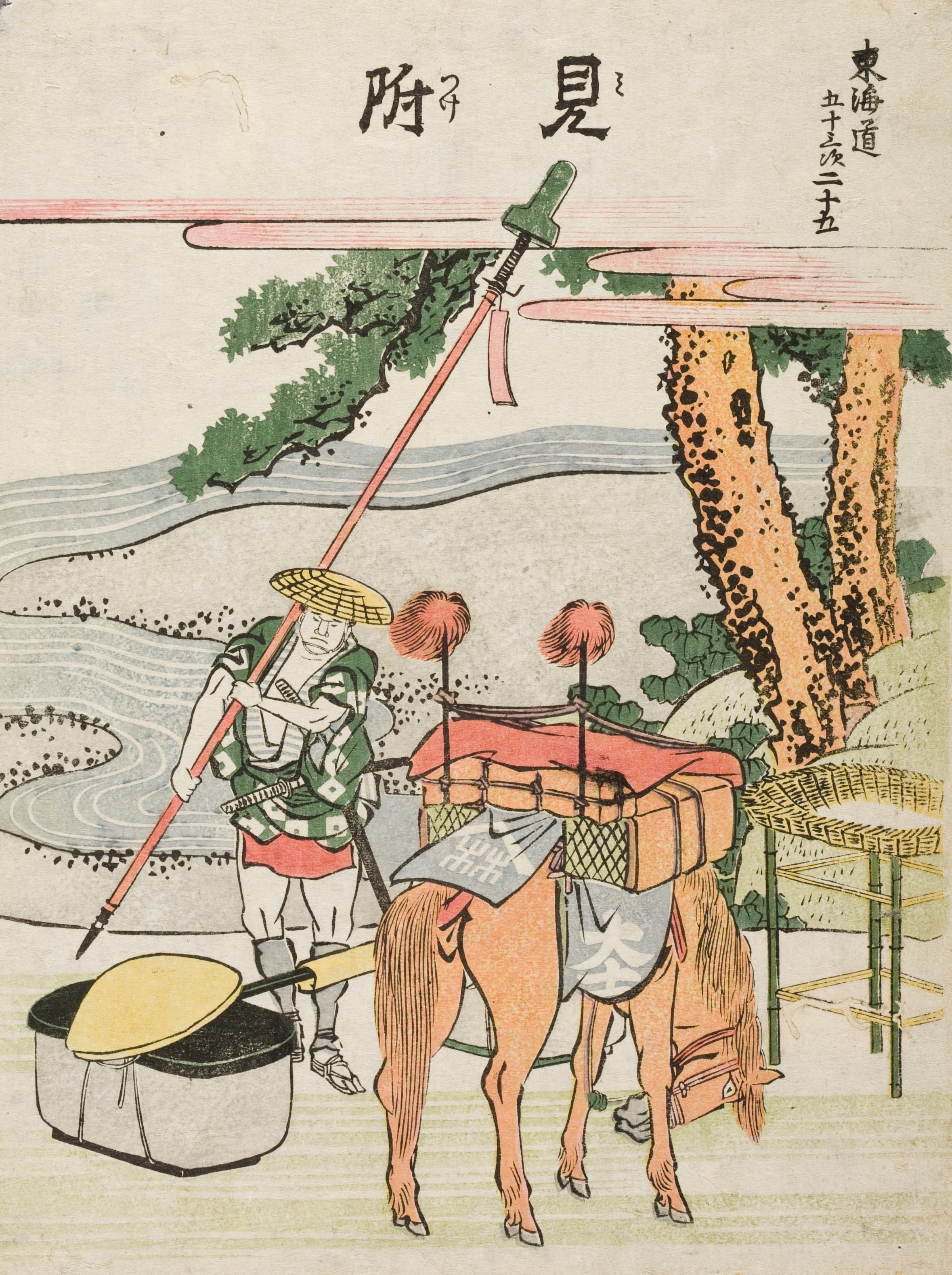
Mitsuke